

Empowering Island Communities Through Collaborative Work
Island communities present unique challenges and opportunities. The isolation of these communities often leads to a rich cultural tapestry, but also to economic and social vulnerability. Community work plays a crucial role in empowering these populations, helping them to harness their strengths, promote sustainable development, and tackle common challenges. In this article, we delve into various aspects of community work on islands, including initiatives such as island community work community projects in vanuatu, and how they foster resilience and growth.
The Importance of Community Work in Island Settings
Community work in island settings is essential for addressing the specific needs and concerns of local populations. Often, island communities face higher costs of living, limited access to resources, and environmental vulnerabilities related to climate change. Community initiatives can help provide effective solutions by leveraging local knowledge and skills.
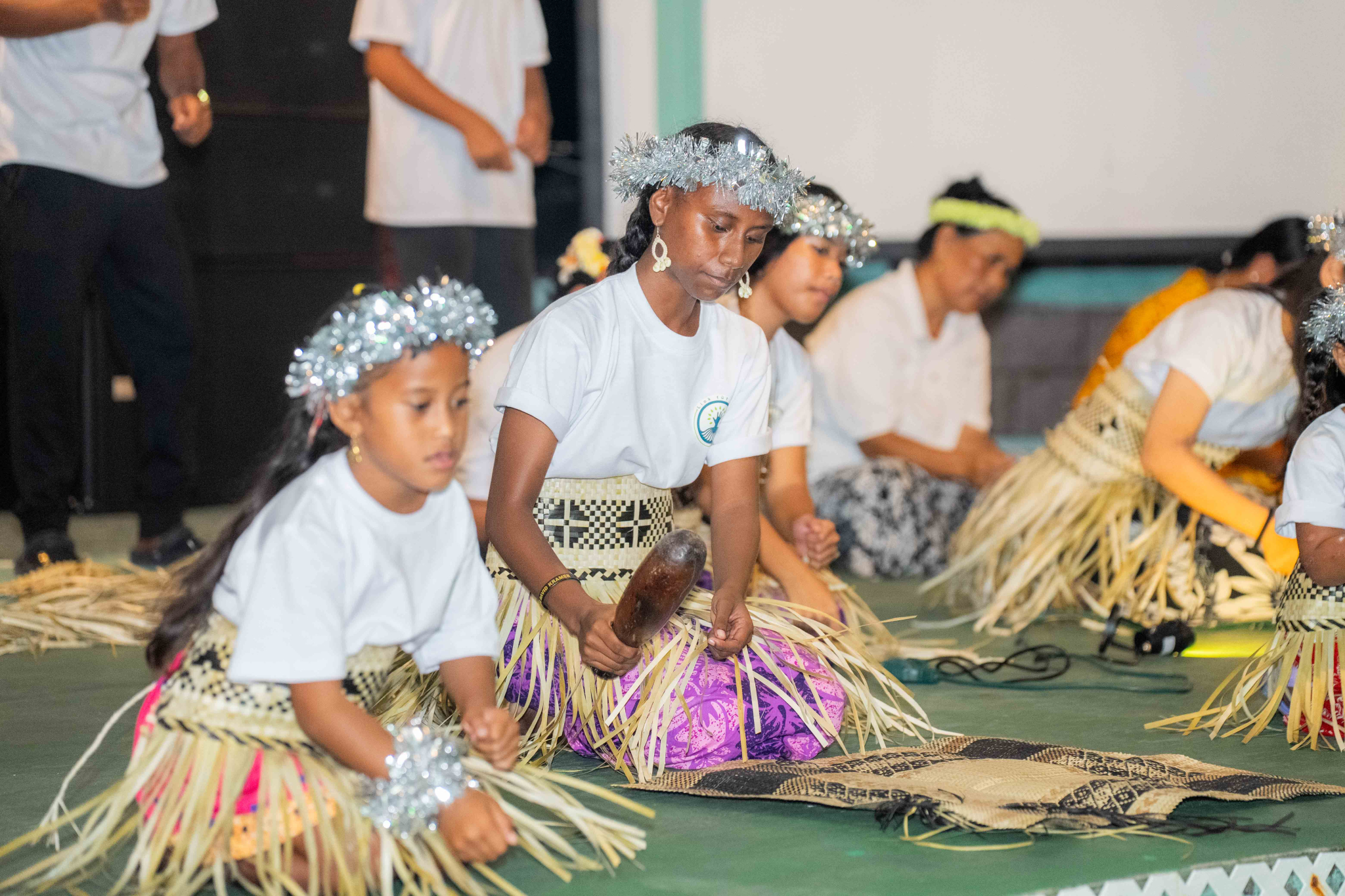
One of the primary benefits of community work is its ability to bring people together. Collaborative efforts create a sense of belonging and shared purpose, which are critical for fostering social cohesion. Through community projects, island residents can address their issues directly, allowing for tailored solutions that respect local customs and traditions.
Collaboration and Skill Sharing
A significant aspect of successful community work is collaboration. By bringing together various stakeholders, including community members, local governments, and non-profit organizations, collective problem-solving becomes possible. This teamwork encourages the sharing of skills and knowledge, which is particularly valuable in island contexts where resources may be limited.
Skills sharing takes various forms, such as workshops, training sessions, and peer-learning groups. For instance, a community could organize a workshop where more experienced fishermen share their techniques with younger generations. This not only preserves traditional knowledge but also empowers individuals to engage in sustainable practices that benefit the entire community.
Addressing Environmental Sustainability
Environmental sustainability is a pressing issue for island communities. Rising sea levels, increased storm intensity, and changing weather patterns threaten their livelihoods and lifestyles. Community work focused on environmental sustainability includes projects like reforestation, waste management, and the promotion of renewable energy sources.
One prominent example is the establishment of marine protected areas (MPAs) around islands to aid in the recovery of local fish populations and marine biodiversity. Community-led programs encourage local fishers to participate actively in conservation efforts, thus providing them with alternative livelihoods while protecting their resources.
Education and Community Development
Education is another critical component of community work in islands. Access to quality education can empower individuals with the skills necessary to improve their socioeconomic status. Community-driven education initiatives can include after-school programs, adult literacy classes, and vocational training facilities.
By prioritizing education, communities can enhance individual capabilities, stimulate local economies, and foster a culture of lifelong learning. Collaborations with local schools, NGOs, and international partners can help develop educational programs tailored to the specific needs of the community.
Encouraging Economic Resilience
Economic resilience is vital for the sustainability of island communities. Many rely on tourism, fishing, and agriculture as primary sources of income, making them susceptible to economic fluctuations. Community work can develop diversified economic activities through initiatives that promote entrepreneurship and support local businesses.
For instance, cooperatives can be formed to pool resources and efforts in marketing local products, such as handicrafts, organic produce, or eco-tourism experiences. This collective approach not only enhances economic sustainability but also fosters community identity and pride.
The Role of Technology in Community Work
Technology is increasingly becoming an essential tool for enhancing community work on islands. Digital platforms can facilit

ate communication, information sharing, and coordination of community projects. Social media allows local organizations and leaders to reach wider audiences, promoting their initiatives and garnering support.
Furthermore, technologies such as mobile apps can be developed to assist with disaster preparedness, health services, or local news dissemination, improving both resilience and awareness within the community.
Conclusion: A Collective Future
The work being done within island communities serves as a model for resilience, innovation, and collaboration. By encouraging local participation, prioritizing sustainability, and fostering connections among residents, these communities can thrive despite their challenges. Empowering individuals through education, collaboration, and community development ensures a brighter, more sustainable future for all.
As we look to the future, continuous support for community projects, such as those in Vanuatu, will be vital in helping island communities navigate their unique challenges and seize opportunities. By standing together, island residents can voice their needs and aspirations, contributing to a more equitable and prosperous world for future generations.
